"Virtual reality allows you to do expensive things cheaply and dangerous things safely."
We use VR to build empathy, spark curiosity, and create experiences that change perspectives.
We're the Virtual Human Computer Interaction Lab — a team of researchers, developers, and dreamers based at Lagos Business School. We believe technology should bring people together, not pull them apart.
Our secret weapon? Virtual reality. We create experiences that let you literally walk in someone else's shoes — across ethnic lines, across borders, across perspectives.
We create VR experiences designed to spark understanding, build character, and promote wellbeing.
See the world through someone else's eyes. Our VR experiences help bridge ethnic and social divides by creating genuine moments of understanding.
VR games that build virtues. We design interactive experiences that teach compassion, courage, and integrity through play — not lectures.
Calm the mind, strengthen resilience. Our immersive environments support stress reduction, mindfulness, and psychological wellness.
From empathy to sports, mindfulness to consumer behavior — we explore how VR transforms human experience.
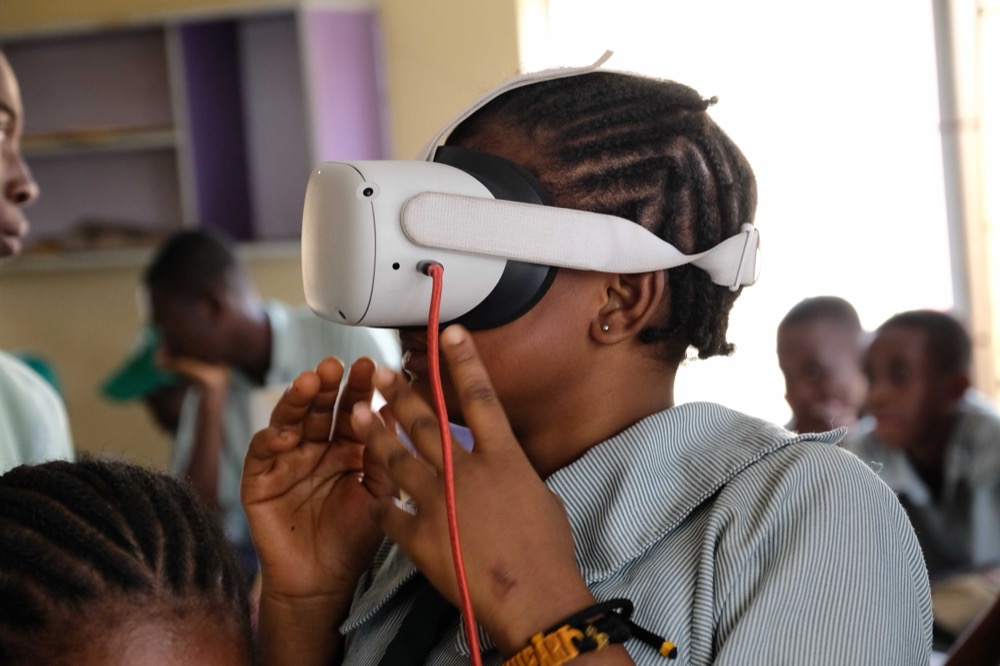
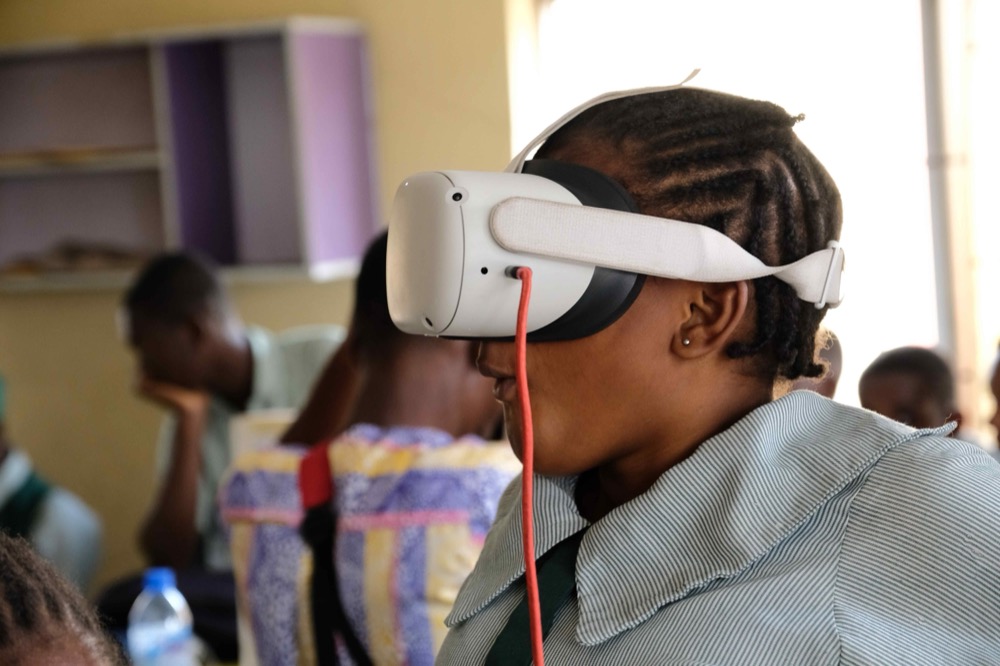
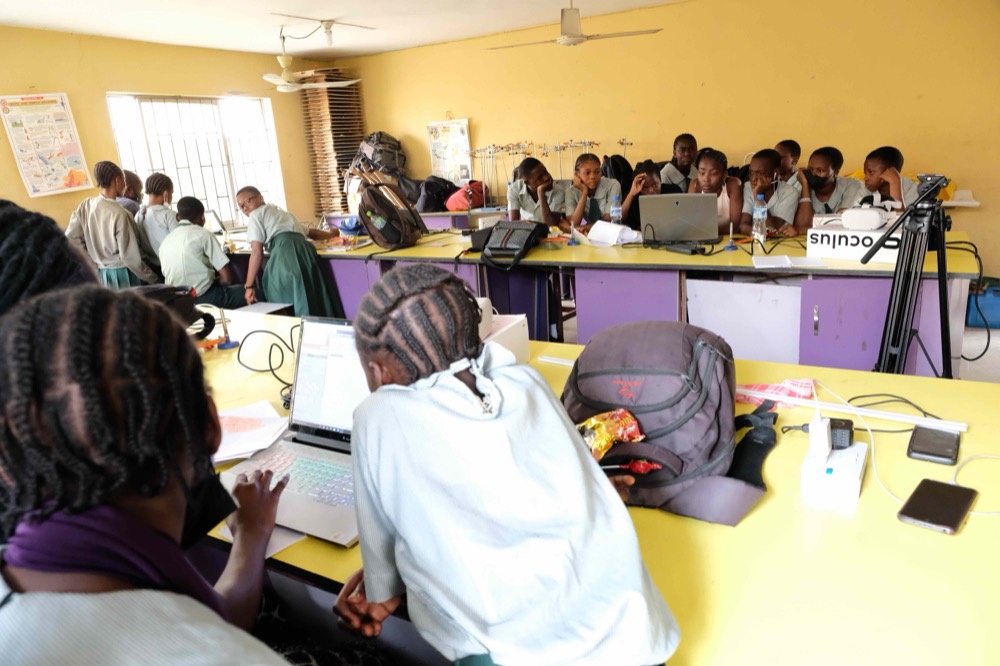
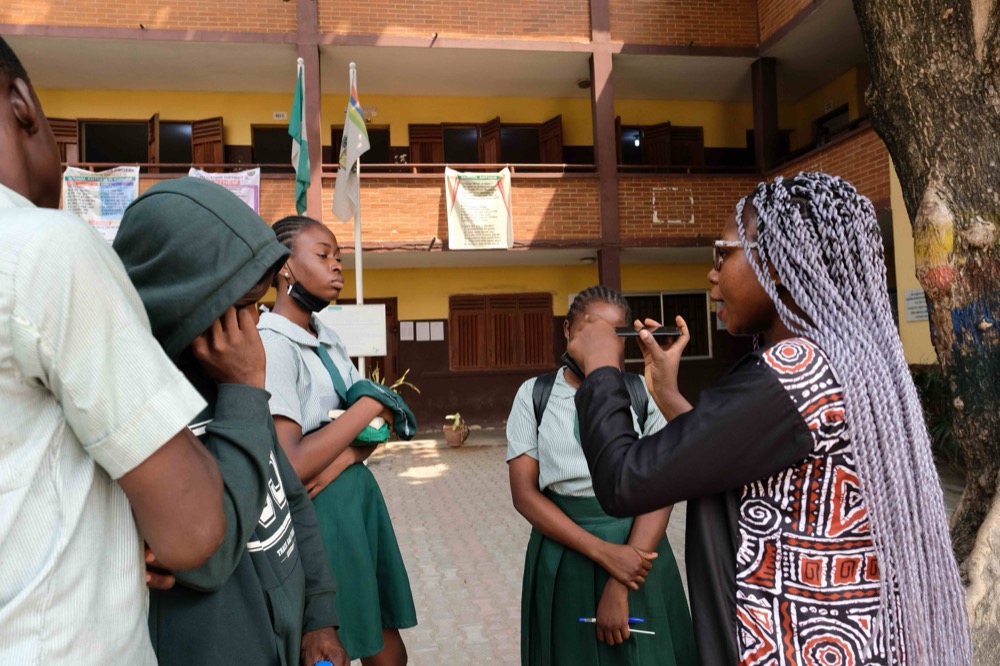
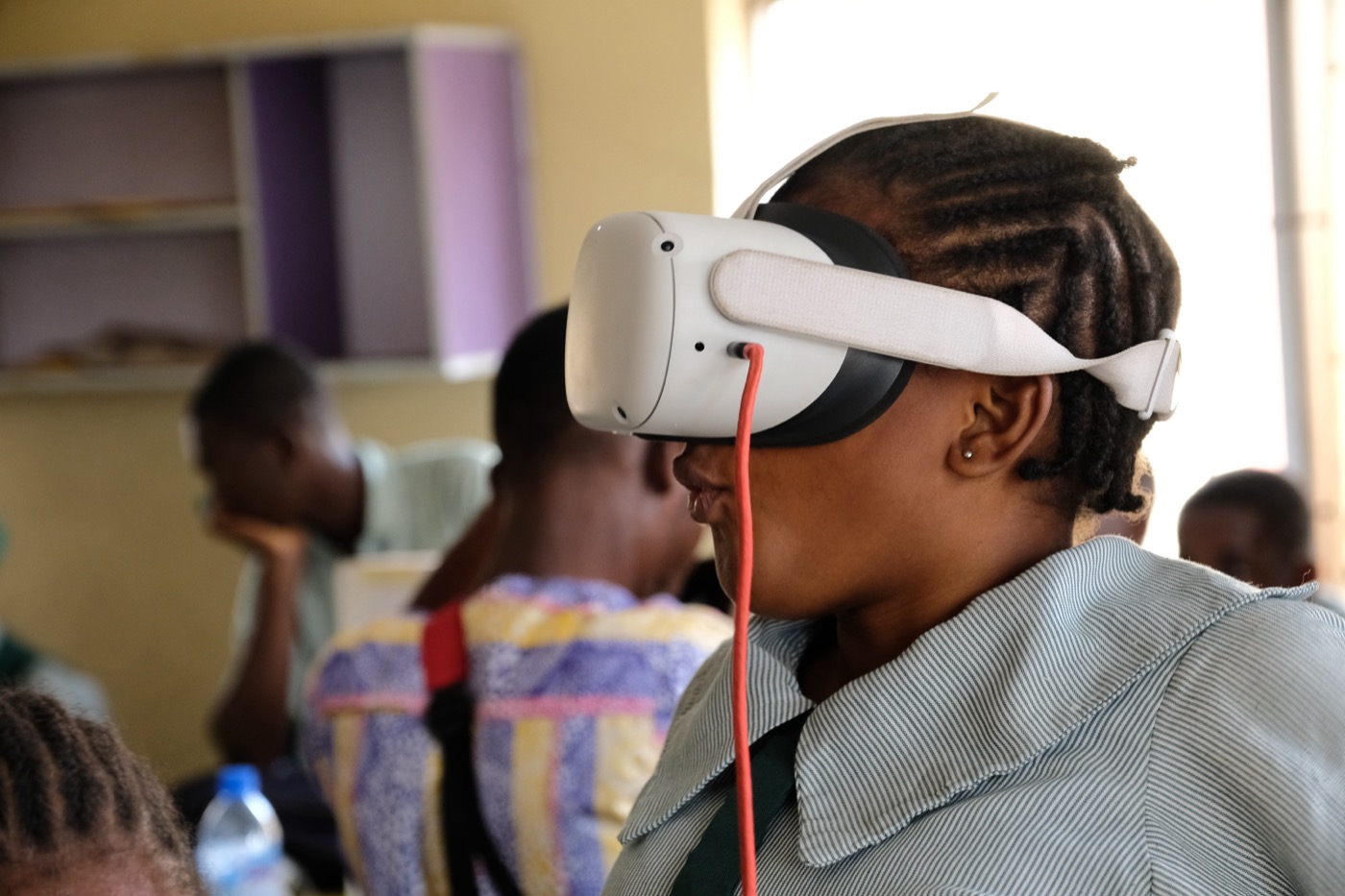
Supported by the Templeton World Charity Foundation, this project explores how VR can teach children empathy and compassion. We're developing immersive games that help Nigerian and Kenyan kids step into each other's worlds — across ethnic lines, across communities.
Can immersive environments reduce stress and build resilience? We study how VR-based mindfulness interventions affect wellbeing in workplace and educational settings.
Building virtues through play. We design VR experiences that cultivate honesty, integrity, and moral reasoning — especially in young people.
From fan engagement to athlete training, we explore how immersive technologies are reshaping sports experiences and building character through competition.
How do people interact with brands in virtual worlds? Our research on in-game advertising informs ethical, effective marketing in immersive spaces.
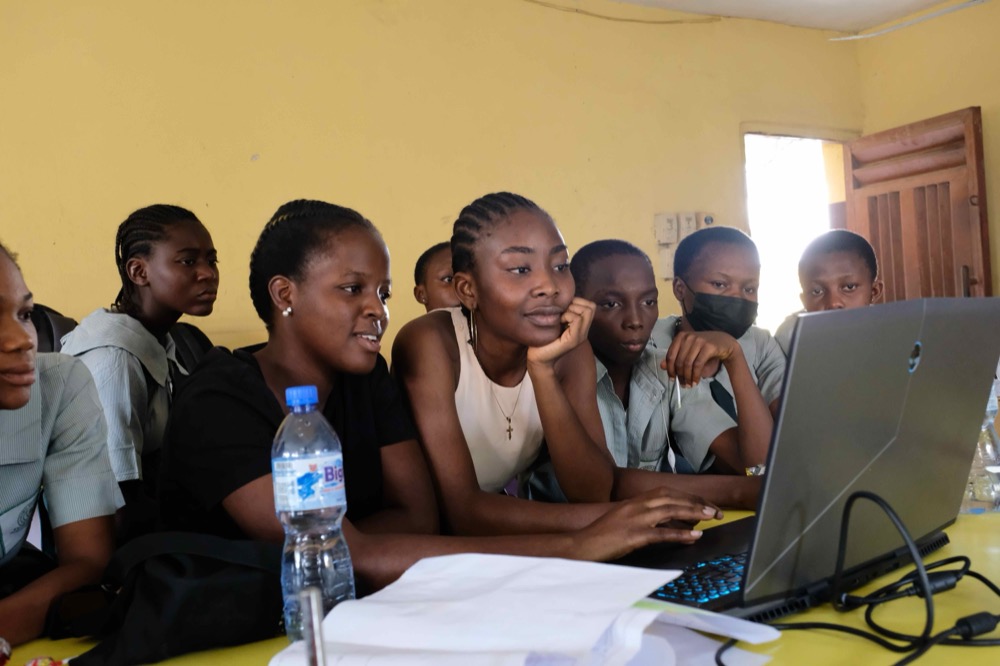
Beyond empathy games — we study how VR can transform learning outcomes, engagement, and knowledge retention in African classrooms.
Key findings from our studies with over 1,000 adolescents across Nigeria and Kenya.
Our VR experiences produced medium-to-large effects on empathy and compassion in adolescents — and the effects persisted at 4-week follow-up. This is rare longitudinal evidence that VR-induced empathy gains can be sustained.
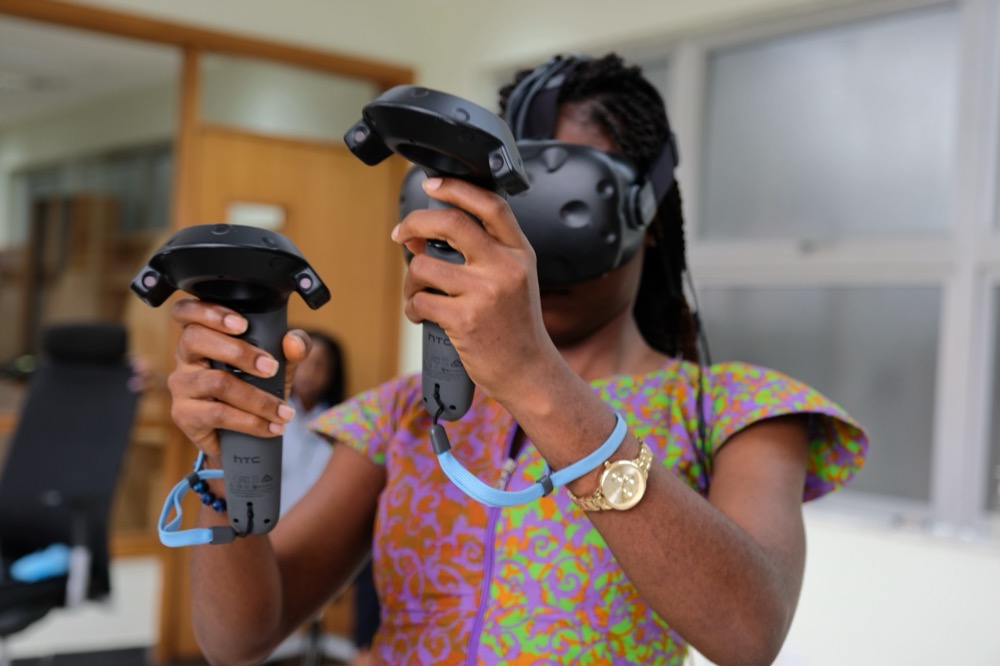
Counterintuitively, passive third-person observation consistently outperformed active first-person embodiment. The VR mode that produced the largest effects requires no hand tracking, no agency, and no controllers — meaning it can potentially be delivered via low-cost smartphone-based viewers rather than premium headsets.
For emotionally intense content depicting discrimination, psychological distance paradoxically enhances empathy by preventing personal distress. Watching someone else's experience — rather than "becoming" them — allows reflection without emotional overload.
These findings challenge cost-dependent assumptions in VR intervention design and open a pathway for equitable global deployment. Low-cost, scalable VR empathy interventions are now possible in resource-constrained settings across Africa and beyond.
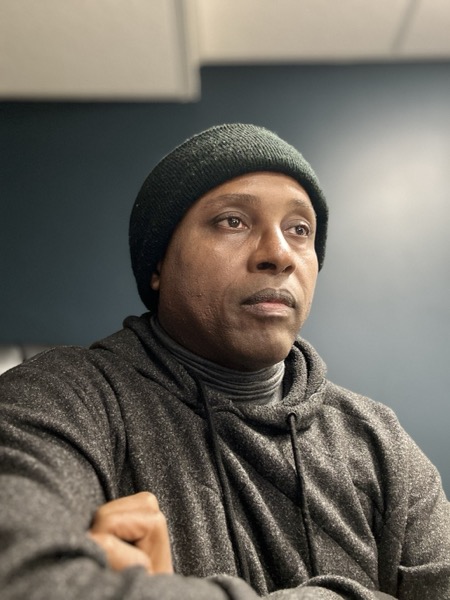
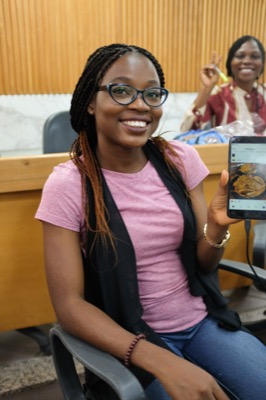
A small team with big ambitions. We're researchers, developers, and believers in technology for good.
Associate Professor at Lagos Business School. Eugene founded VHCI Lab to explore how VR can foster empathy and human flourishing. Currently visiting scholar at Gannon University.
Supported By
Whether you're a researcher, partner, or just curious about what we do — we'd love to hear from you.
Get In Touch